Eight Factory-Direct Models for Automatic Document Scanning, Book Capture and Classroom Visualisation
These models are selected for real procurement scenarios: A3 office archiving, non-destructive book digitisation, hybrid teaching, mobile counters and portable workstation use. Product URLs are preserved exactly so buyers can request specifications, certification documents and sample units without losing the commercial context.
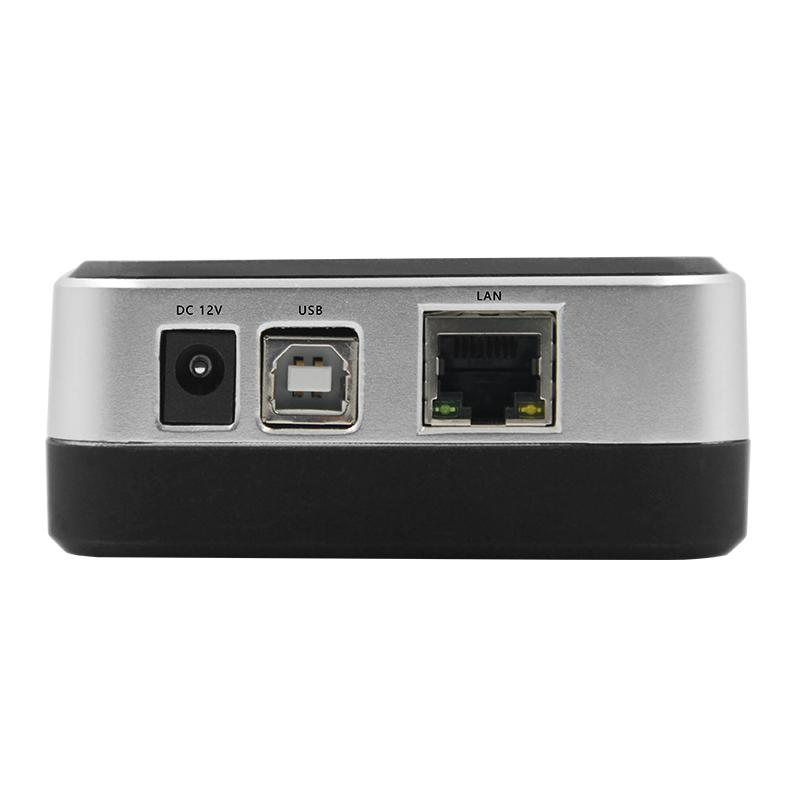
ELOAM VH800A3AF 8MP New Arrival High Speed Fast 1S Flatten Book A3 Portable USB Document Scanner in Stock
A practical shortlist model for banking desks, school offices and mobile enrolment stations. It captures A3 documents and bound pages in about one second, with USB plug-and-play deployment. Ask for the CE documentation pack, sample unit and SDK availability if capture must be embedded into your own application.
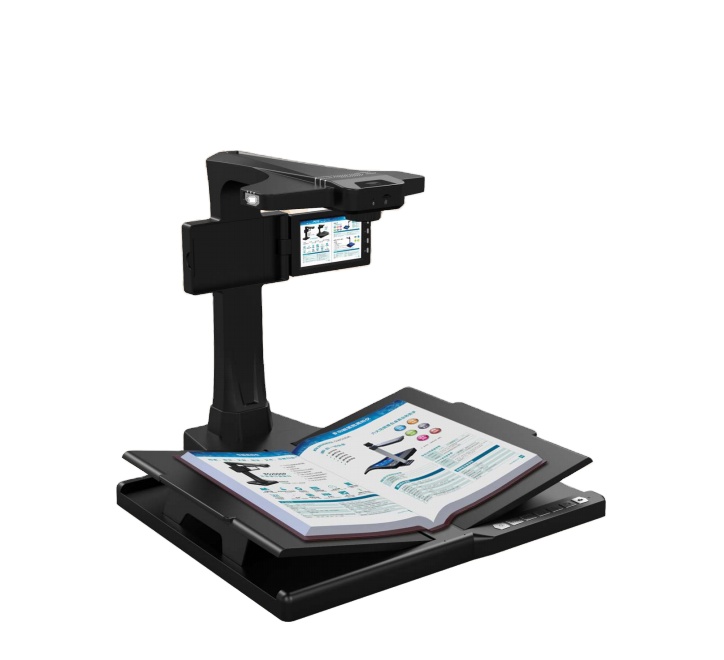
Eloam BS3000P 28MP A3 Document Scanner V Shape Book Scanner CMOS USB 2.0 LCD Preview Screen for Library
Designed for libraries, archives and university special collections where spine stress must be minimised. The 28MP CMOS capture, V-shape cradle, USB 2.0 interface and LCD preview screen support careful page-by-page review; confirm page-curvature correction, OCR language coverage and target export formats before pilot approval.
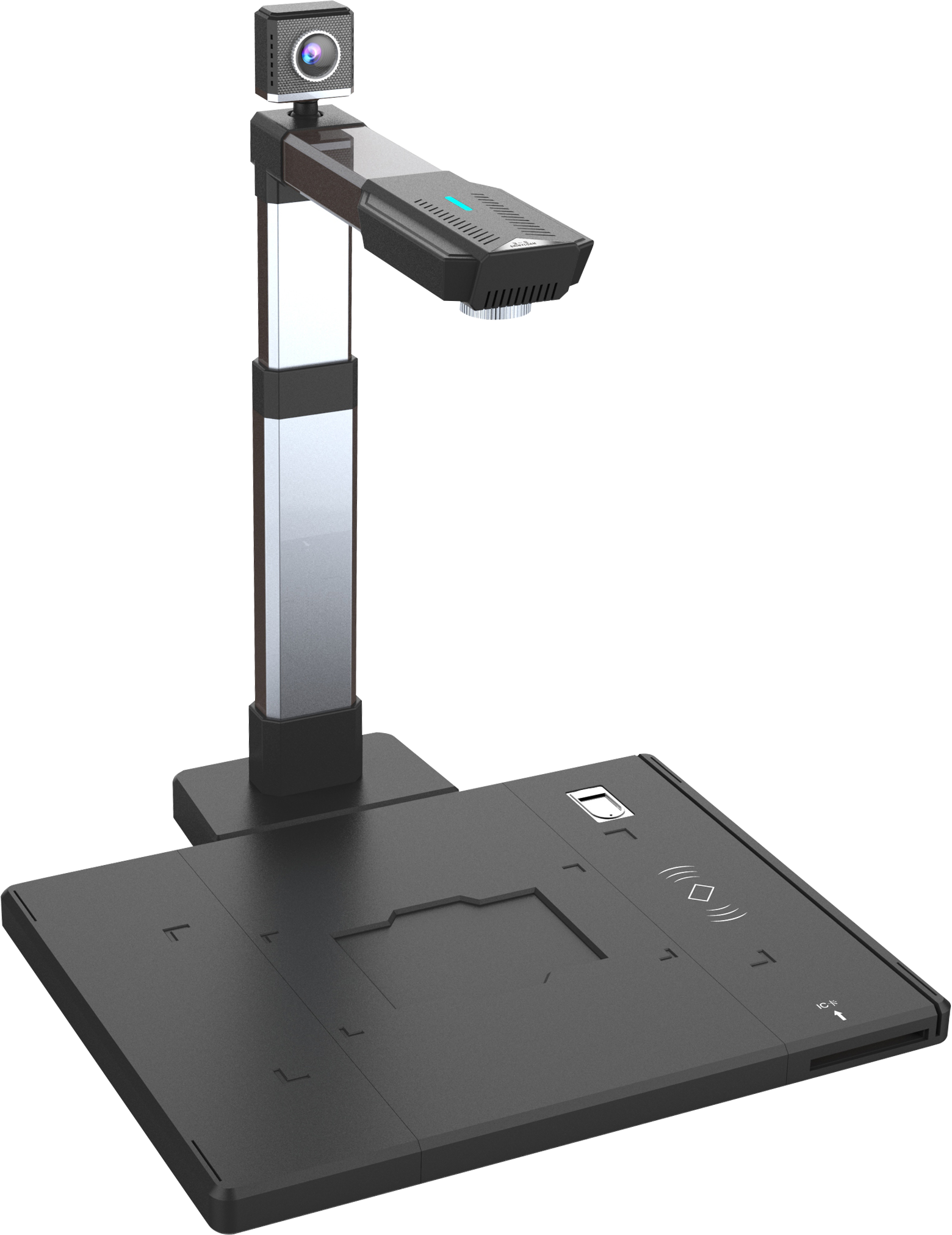
Eloam YL1020 Dual Lens USB Interface High-Speed A3 OCR 2D Code SDK Supported Multifunctional Library Document Scanner Save Time
A strong candidate for system integrators, self-service library terminals and code-capture workflows. Dual-lens capture, high-speed A3 OCR and 2D code support reduce manual handling, while SDK access allows developers to connect scanning tasks with existing software. Request integration notes and OCR samples for your exact document mix.
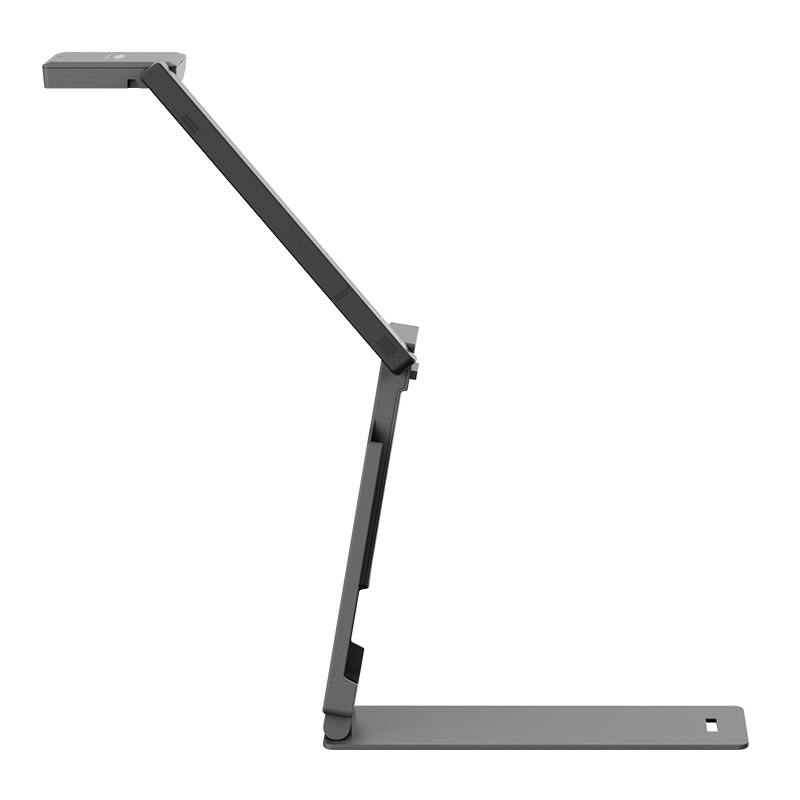
ELOAM VE1300A3AF 13.0MP Ultra HD USB Portable Document Camera & Scanner A3 Size for Teaching in Stock
An ultra-HD A3 visualizer for classrooms, training centres and remote teaching studios. The 13MP camera is suitable for projecting fine print, science demonstrations and workbook pages, while USB connectivity keeps deployment simple. Evaluate frame rate, microphone options, autofocus behaviour and software compatibility during the sample stage.
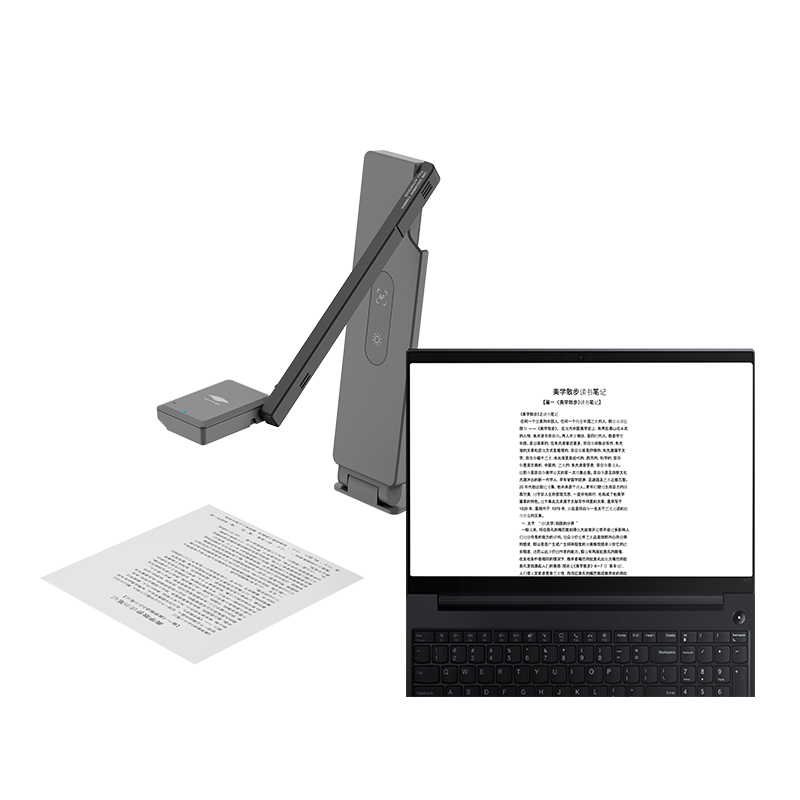
ELOAM High Resolution A3 Portable Document Scanner & Camera 3-in-1 | USB Type-C Plug Play Teaching Office Conference Use Stock
A flexible 3-in-1 scanner, camera and visualiser for buyers who need one device to serve document capture and live presentation. USB Type-C plug-and-play suits modern laptops, conference rooms and temporary teaching spaces. Confirm included software, output resolution and compatibility with the operating systems used by your end customers.
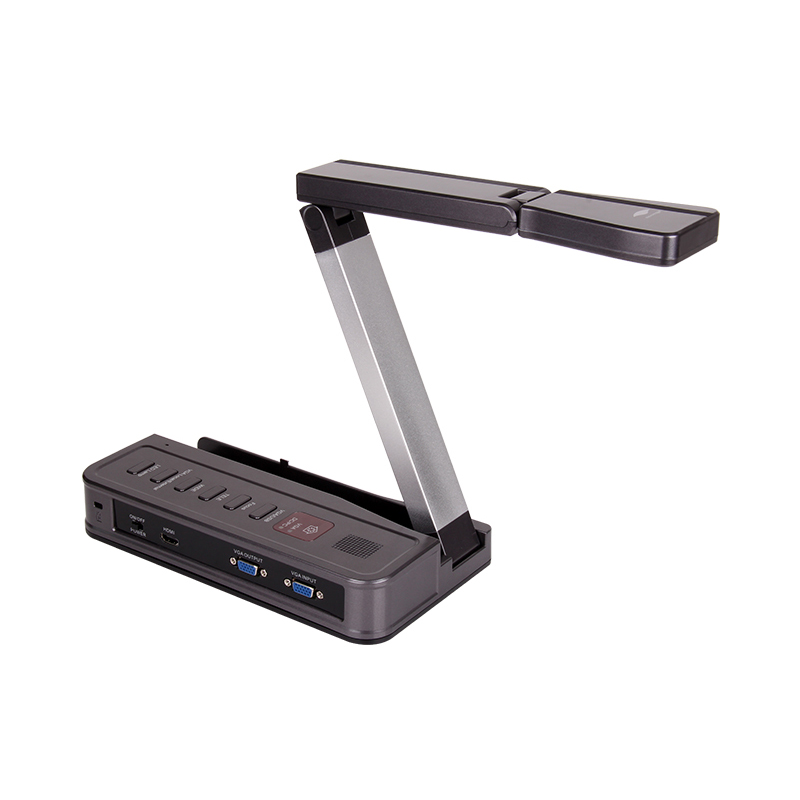
Eloam Portable A4 5MP 30FPS USB Type-C 3-in-1 Interactive Document Camera Projector Visualizer
An A4 5MP 30FPS interactive unit for classrooms, sales demonstrations and training rooms where smooth live video matters more than large-format capture. The 3-in-1 design supports document camera, projector and webcam-style use cases. Buyers should compare zoom, autofocus, latency and software compatibility across Windows and macOS devices.
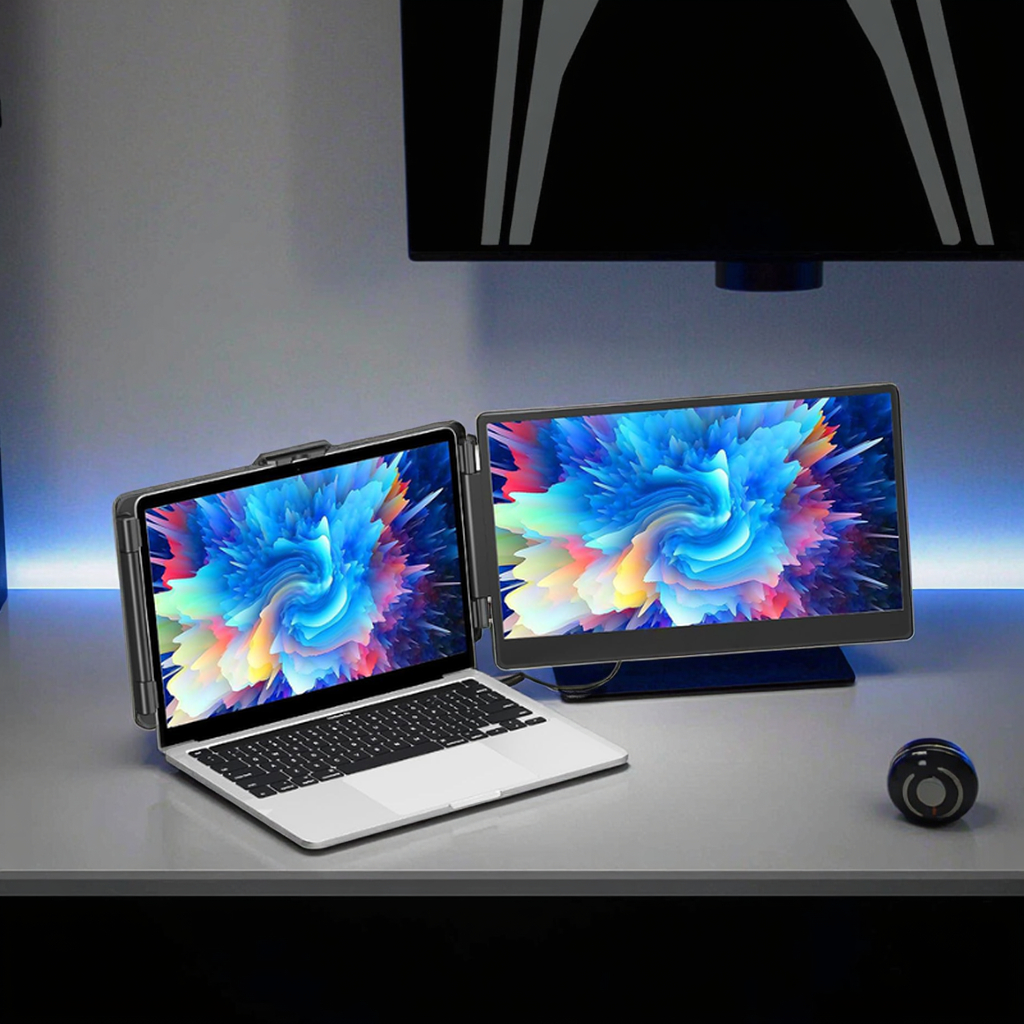
Factory Direct 14 Inch Portable IPS Panel LCD Monitor Type C Plug & Play Windows Mac 1920x1080 Resolution Business Series 60Hz
A 14-inch 1920x1080 IPS portable monitor for mobile sales teams, field engineers and dual-screen laptop work. In scanner projects it can provide a dedicated preview screen for capture review, OCR checking and customer-facing document verification. Type-C plug-and-play and broad Windows/Mac support reduce installation friction.
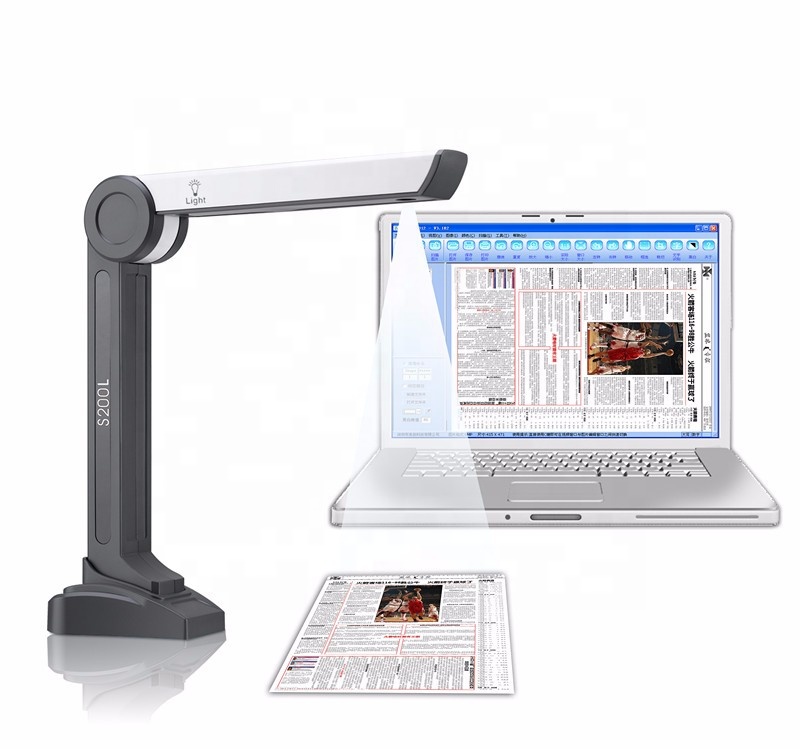
Eloam USB 2.0 Interface Mini Portable Document Scanner Visualizer A4 Size CMOS Sensor 1 Second Scan Speed 1600x1200 Resolution
A cost-controlled A4 visualiser for paperless pilots, homework capture, small offices and distributor entry programmes. The CMOS sensor, 1-second scan speed and 1600x1200 resolution suit routine documents where ultra-high resolution is not required. Confirm software features, capture height and after-sales parts planning before volume rollout.
For project-specific samples, CE documentation, OEM packaging or mixed-model shipments, use the inquiry button on this page. Most models can be evaluated as single-unit samples; bulk MOQ depends on the model and customisation level.
How Strategic Buyers Evaluate a CE Certified Automatic Document Scanner Exporter
Price is only one variable. The real search intent behind “automatic document scanner factory” is supply-chain de-risking: can the supplier prove product compliance, sustain software support, protect delivery schedules and adapt hardware to the buyer’s market?
Shenzhen Hobry Technology Co., Ltd. has manufactured document scanners, book scanners, document cameras, visualisers and portable monitors since 2005. The company operates as a manufacturer with an integrated export team, rather than a pure trading intermediary, and holds ISO 9001 quality management certification, a National High-Tech Enterprise certificate and software copyright registrations. Its factory has been verified onsite by Intertek, with 8 production lines, a 5,000–10,000 m² facility and 101–200 employees. For buyers, the practical benefit is access to engineering feedback, sample customisation and production traceability before a purchase order is placed.
It is also important to distinguish an overhead automatic document scanner from an automatic document feeder scanner. The products in this series use a camera-based capture system with autofocus, auto-crop, OCR and one-touch scanning to digitise bound books, passports, drawings, classroom materials and counter documents without feeding them through a slot. That difference matters for libraries, banks and schools that cannot risk damaging originals.
Product Recommendations by Search Intent and Deployment Scenario
Use this intent map to build a shortlist before requesting samples. It is written for distributors, school suppliers, bank integrators and archive service providers who need a defensible reason to select one model over another.
Office Paperless & A3 Archiving
For “fast A3 automatic scanner for office archive” searches, shortlist the VH800A3AF or YL1020. Prioritise one-second capture, auto-crop, OCR accuracy, PDF/JPEG/TIFF output and SDK availability. The buyer usually values labour savings and searchable archives more than the lowest unit price.
Library & Archive Digitisation
For bound books and fragile records, the BS3000P and BS3000PRO class is the better fit. The V-shape cradle, high-resolution CMOS capture, laser-assisted flattening on selected models and LCD preview reduce risk to original materials. Confirm page-curve correction and OCR language packs.
Hybrid Classrooms & Online Teaching
For education tenders, pair the VE1300A3AF 13MP A3 visualiser with the A4 5MP 30FPS USB Type-C model. The first serves lecture rooms and science demonstrations; the second supports mobile teaching, tutoring and training rooms. Evaluate zoom, frame rate, microphone support and software before rollout.
Mobile Counters & Field Workstations
For mobile enrolment, banking counters and field engineering, combine the portable A4 or A3 scanner with the 14-inch 1080p IPS monitor. This creates a compact capture-and-review station without fixed IT infrastructure. Check power requirements, driver installation and carry-case options.
Future Procurement Trends: What Importers Will Require Between 2026 and 2030
Procurement teams are moving from isolated hardware purchases to workflow-based sourcing. The supplier that can document compliance, support software integration and ship mixed configurations with predictable lead times will win more repeat orders.
Compliance Evidence Before Price
CE certification, FCC availability on selected models, ISO 9001 quality management and software copyright documentation will be requested earlier in the buying cycle. Importers need digital copies of declarations, test summaries and warranty terms before samples are approved. A supplier that cannot answer these questions slows down the entire tender process.
Total Cost of Ownership
Buyers will compare scanning time, OCR accuracy, failure rates, spare-parts planning and firmware support, not only the quotation. A one-second scanner that reduces queue time can justify a higher unit price than a slower low-cost device. SDK availability, remote troubleshooting and a clear one-year warranty further improve the commercial case.
Hybrid Deployment Bundles
Schools, banks and offices increasingly buy in bundles: document camera plus scanner plus portable monitor plus accessories. This reduces the number of suppliers and simplifies customs paperwork. Exporters with multiple product families can support mixed-model shipments under FOB, CFR, CIF or EXW terms and help distributors localise packaging.
Small-Batch OEM and Integration-Ready Software
Distributors want buyer-label production without taking excessive inventory risk. Logo printing, housing colour, packaging, firmware and software UI customisation are becoming standard requests. A sample-first process, clear MOQ bands and stable SDK documentation make it easier to launch a private-label scanner line while protecting cash flow.
Product Development Trends Shaping the Next Generation of Document Cameras and Scanners
The next purchase cycle will reward suppliers who improve image quality and software usability together. Hardware alone is not enough when the end user needs searchable archives, live teaching video and fast counter service.
AI-Assisted OCR and Pre-Processing
Autofocus, auto-crop, deskew, page-curve correction and OCR are being combined into one workflow. Selected Hobry models support OCR in up to 180 languages, with output to PDF, JPEG and TIFF. The buyer benefit is less manual correction and faster searchable archives, especially in finance, government and library projects.
Higher Resolution and Optical Zoom
The market is moving from basic 5MP capture toward 13MP, 22MP and 28MP sensors, often supported by dual-lens design or optical zoom. Digital zoom alone loses detail, particularly when projecting small text or inspecting circuit boards. Optical zoom preserves clarity on large displays and improves live teaching quality.
3-in-1 and USB-C Simplicity
Document camera, scanner, webcam and projector functions are being consolidated into single devices. USB Type-C plug-and-play reduces installation time for mobile professionals and temporary classrooms. Buyers should test latency, driver stability and software compatibility, not only the resolution printed on the specification sheet.
Low-Carbon, Ergonomic Hardware
Hobry applies ergonomic design and low-carbon office concepts to portable scanners, foldable visualisers and monitor extenders. Future tenders will increasingly consider packaging waste, energy efficiency and repairability. Lightweight structures and modular accessories can reduce shipping cost while improving the end-user experience.
Why Hobry Is a Credible Automatic Document Scanner Factory and Exporter
Evidence matters more than marketing language when a buyer is qualifying a new supplier. The details below are the same facts procurement teams should verify in the company profile, factory report and product documentation.

Two Decades of Imaging Engineering, In-House R&D and Export Support
Founded in 2005, Shenzhen Hobry Technology Co., Ltd. began in digital video technology and developed into a manufacturer of high-speed portable document scanners, book scanners, document cameras and portable monitors. The company manages industrial design, optics, firmware, software, manufacturing and global sales in-house, which helps shorten customisation cycles and resolve integration issues faster.
As a National High-Tech Enterprise with independent intellectual property, software copyrights and patents, Hobry combines ergonomic design with low-carbon office concepts. For B2B buyers, this supports OEM/ODM projects that require logo printing, custom packaging, housing colour, firmware adaptation, software UI changes or SDK access on selected models.
- 8 production lines in a 5,000–10,000 m² facility, with 101–200 employees and onsite verification by Intertek.
- CE certification, FCC availability on selected models, ISO 9001 quality management, software copyrights and a National High-Tech Enterprise certificate.
- OEM, ODM, design service and buyer-label service, including logo, packaging, housing colour, firmware and software customisation.
- Main markets include North America, Southeast Asia, Southern Europe and the Middle East; 5 international trade exhibitions attended.

Engineering Customisation
Camera modules, housings, firmware, software, packaging and documentation can be adapted for buyer-label programmes and SDK-based system integration.
Manufacturing Discipline
Incoming, in-process and finished-product quality control supports consistent output across sample, pilot and mass-production orders.
Compliance Support
CE documentation, ISO 9001, software copyright records, Intertek assessment reporting and selected FCC options help simplify importer due diligence.
Global Delivery Terms
Accepted payment terms include T/T, L/C, PayPal and Western Union in USD; delivery terms include FOB, CFR, CIF and EXW, with a standard one-year warranty.
A Procurement Checklist for Importers, Distributors and System Integrators
Use this checklist to compare suppliers on equal terms. It reduces the risk of discovering a software gap or documentation problem after the purchase order is issued.
Documentation Pack
Request CE certification documents, test summaries, ISO 9001 evidence, warranty terms, software licence information and product labels for the exact model and voltage configuration you plan to import.
Sample Test Protocol
Test A3 pages, bound books, passports, invoices, barcodes and handwritten forms. Measure capture time, OCR accuracy, lighting performance and image quality on the monitors or projectors your customers actually use.
Software and SDK Fit
Confirm Windows and macOS compatibility, driver installation, output formats, OCR language packs, 2D code support, SDK access and any restrictions on redistribution or integration with third-party applications.
Commercial Terms
Clarify sample cost, MOQ by model and customisation level, lead time, packaging, spare parts, shipping terms and payment methods. For distributor programmes, request a model mix that supports both demonstration and volume sales.
FAQ: CE Certified Automatic Document Scanner Factory Procurement
These are the questions most commonly raised by importers, school suppliers and system integrators before a first sample order.
Is Hobry a manufacturer or a trading company?
Are all models CE certified, and what documents can buyers request?
Do you offer OEM, ODM and buyer-label production for automatic document scanners?
Can I order samples before a bulk order?
Which OCR languages and operating systems are supported?
Is an SDK available for system integration?
Which model should I choose for A3 book digitisation?
What is the difference between a document scanner and a visualiser?
Which payment and delivery terms are accepted?
What is the warranty and after-sales support?
Build a Shortlist from Your Actual Scan Workflow
Share your scan area, document type, daily volume, target market, certification requirements, software environment and estimated order quantity. Hobry engineers can recommend the right model and confirm CE documentation, sample availability, OEM options, warranty and shipping terms.